“Fully embrace this training,” urges Patrick Ogunde, KISIP 2 Project Coordinator. “Its importance is in building your long-term employability, far beyond the short-term engagements of this project.”
The ongoing Kenya Informal Settlements Improvement Project (KISIP 2) is laying down more than roads and water pipes; it’s laying the foundation for sustainable careers for local youth.
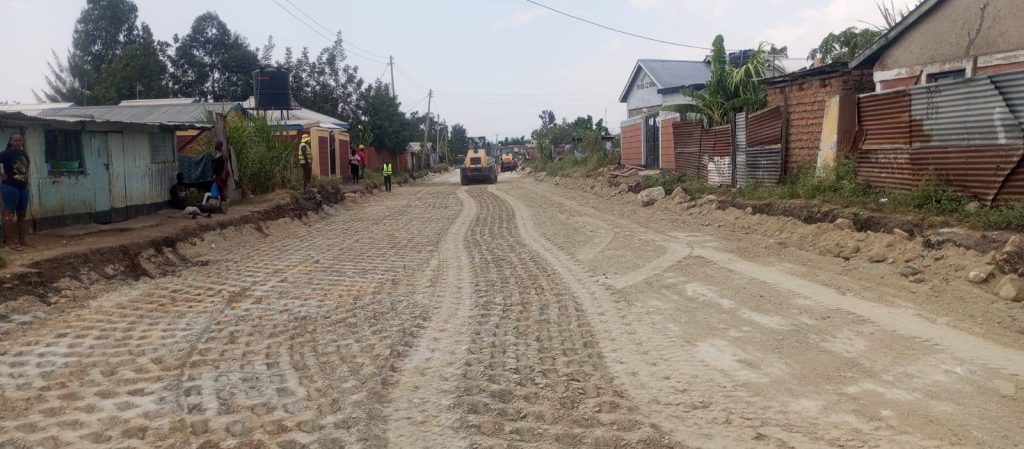
While the new feeder road in Shaurimoyo, Muhoroni, is on track for a March 2026 launch, and the water project in Sangaro nears completion, the most exciting output isn’t the infrastructure itself. It’s the real-world skills and experience being handed to young people in the very communities seeing these upgrades.
The NYOTA Program: Your On-Site Training Academy
At the core of this initiative is the National Youth Opportunities Towards Advancement (NYOTA) Program. This isn’t a theoretical workshop; it’s on-the-job training integrated directly into active KISIP project sites. For youth in Muhoroni, Kibuye, Manyatta, and other targeted settlements, the construction zone has become their practical skills laboratory.
What You Can Gain from This Model:
Hands-On Technical Skills: Learn directly from professionals in road construction, drainage systems, and water installation.
Critical Soft Skills: Receive training in communication, teamwork, and problem-solving—competencies every employer demands.
CV-Boosting Experience: Transform from a job seeker into someone with verified, real-site experience.
Formal Recognition: Participate in a structured national program that enhances your employability.
Live Projects in Kisumu
The training is directly linked to tangible projects. Here’s where the learning is happening:
| Project Location | Skills You Can Learn | Industry Relevance |
| Shaurimoyo, Muhoroni(Feeder Roads) | Civil works basics, site supervision, project timelines | Construction, Project Management |
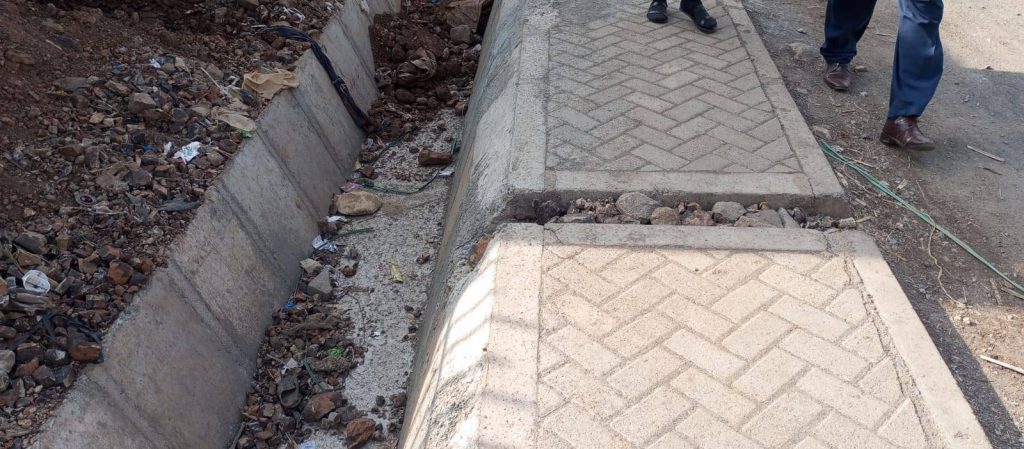
| Kibuye Area(Roads & Drainage) | Masonry, culvert installation, safety standards, urban | planning | Civil Engineering, Public Works |
| Sangaro/Swahili Village | (Water Supply) | Plumbing, piping systems, utility maintenance | Water & Sanitation Engineering |
Why This Is a Career Game-Changer
This KISIP-NYOTA model solves a critical gap. It ensures that public investment creates both infrastructure and a skilled local workforce to maintain it.
1. From Casual Labour to Certified Skill: It moves youth from being temporary manual labourers to becoming trained apprentices with a career pathway.
2. Community Benefit Meets Personal Growth: You contribute to upgrading your neighbourhood while upgrading your own credentials.
3. A Replicable Blueprint: This partnership between national and county governments shows how large-scale projects can include mandatory skills transfer, a model that should be replicated everywhere.
The true success of KISIP 2 will be measured in careers launched, not just kilometers of road. It proves that a road can lead to a job site, a water pipe can channel opportunity, and a public project can be the most practical classroom you’ll ever have.