The Principal of Shambere Technical Training Institute, Elisha Nyamu, has called for the full adoption of Competency-Based Education and Training (CBET) across technical institutions, saying it is the most viable pathway for Kenya to align its workforce with the rapidly evolving global skills market.
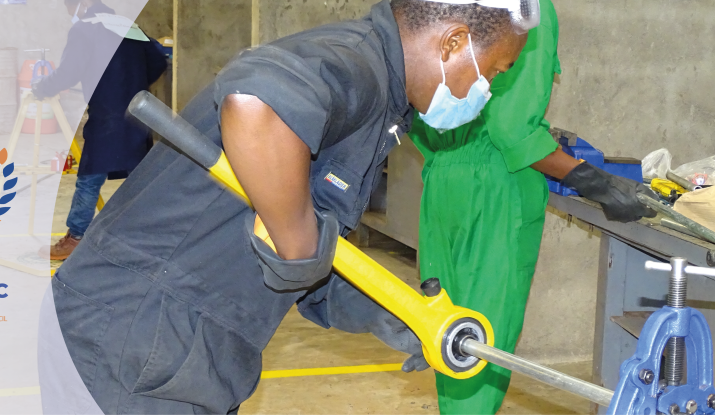
Speaking during a meeting of school heads in Malava, Nyamu noted that as basic education institutions continue to implement the Competency-Based Curriculum (CBC), technical colleges must be adequately prepared to receive and train learners through CBET, which focuses on hands-on experience and industry-driven skills.
He emphasized that the transition from CBC at the secondary level into TVET institutions will only be successful if the colleges are well-equipped to deliver practical training that produces job-ready graduates.
According to Nyamu, global demand for skills is projected to hit 86 million by 2030, presenting Kenya with a major opportunity to position itself as a leading exporter of skilled labour. He said the country’s youthful population remains its greatest social capital, but warned that the high number of unemployed young people can only be absorbed into the economy through strengthened technical training.
“Technical and Vocational Education and Training institutions are key in addressing unemployment because they equip learners with practical competencies that can be applied immediately in the job market,” he said.
Nyamu further explained that TVET institutions have adopted a modular training system that allows trainees to acquire employable skills within a short period, in some cases as little as three months. The short courses are designed to enable young people to quickly transition into the labour market, start earning, and build their careers progressively.
In a move aimed at enhancing digital learning, Nyamu revealed that the government has donated 100 computers to the Jitume Hub. He urged neighbouring schools and institutions to take advantage of the facility to strengthen ICT integration in learning rather than citing a lack of resources.
The principal reiterated that the successful implementation of CBET will not only reduce unemployment but also drive economic growth by producing a highly skilled and globally competitive workforce.
He called on education stakeholders to support TVET institutions through investment in modern equipment, industry linkages, and capacity building for trainers to ensure the country fully benefits from the competency-based training model.