“Our overarching goal is for Kenya to benefit from a productive workforce that can earn abroad and send savings back home, strengthening families and the broader economy,” affirmed Labour Principal Secretary Shadrack Mwadime.
For years, the Kenyan hustle has been a story of individual grit in both academics and the professional side of life. But now, the Government of Kenya is coming in to ease the struggle of hustle by easing it. In a strategic shift, the state is moving to officially to recognizing, certifying, and empowering the skills, whether you learned them in a university, a workshop, or on the job, by diversifying the learning options.
The Labour and Skills Development Principal Secretary, Shadrack Mwadime, has prioritize skilled labour to seize both local and global opportunities. The aim is to build a productive workforce that earns, sends savings home and strengthens the Kenyan economy from the inside out.
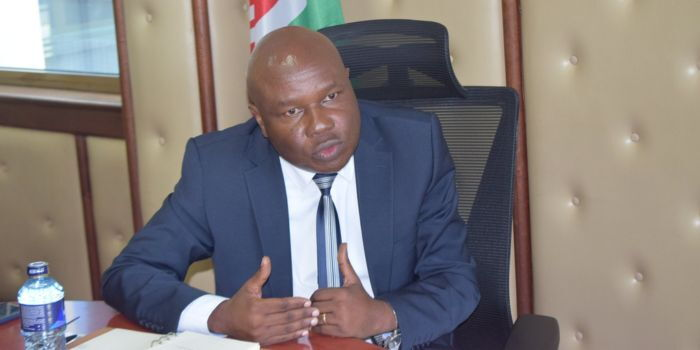
Shadrack Mwadime | Labour and Skills Development Principal Secretary
This is a concrete action plan to turn every skill into a certified opportunity. Here’s how the government is putting its weight behind your hustle:
1. Your Experience Now Counts: The RPL Revolution
Formal papers don’t always reflect actual skills of an individual and by recognizing this, the government, through the National Industrial Training Authority (NITA), is aggressively implementing the Recognition of Prior Learning (RPL) programme. If you’re a skilled hairdresser, a mechanic, a boda-boda operator, a carpenter, or any other artisan, you can now get officially certified for the skills you already possess!
2. Universities Told to Align with the Market
The higher education goal is to produce graduates to meet the market needs. Universities are being urged to redesign their curricula to equip students with relevant, in-demand skills. This move aims to end the era of “qualified but unemployable” graduates and create an agile workforce ready for local industries and international assignments.
3. A Direct Pipeline to Overseas Opportunities
The government is equally training for the global market. This was echoed by leaders like Dr. Oku Kaunya, MP for Teso North. This shows how committed the drive is in creating genuine work-abroad pathways.
4. Sector Collaboration
The conference underscored a whole-of-society approach. The presence of Emorimor Papa Iteso, the cultural leader bridging Kenya and Uganda, highlighted how regional ties and cultural networks are being leveraged to support labour mobility and opportunity. Leaders from all sectors are uniting to expand partnerships and pathways across the multiple sectors.
The government is building the runway and a support system. It’s now on us to take off. If you have a skill, get it assessed. If you’re training, choose a market-driven path. The message is clear: Kenya is betting on its human capital, and your hustle is officially being backed.