Mwea Technical and Vocational College has stepped up efforts to align technical training with labour market needs through the adoption of the Dual Technical and Vocational Education and Training (Dual TVET) model, a system designed to strengthen collaboration between training institutions and industry.
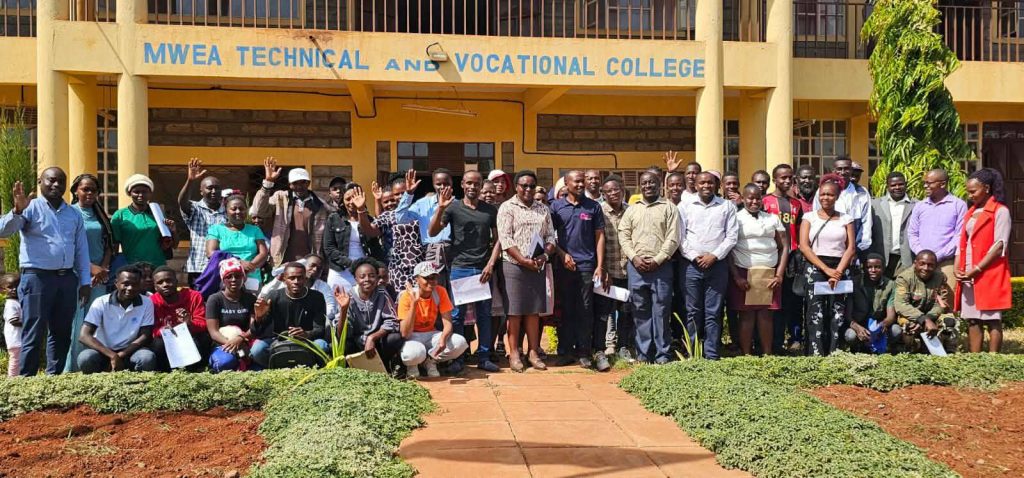
The college recently hosted a high-level Dual TVET sensitization and stakeholder engagement forum that brought together industry players, government representatives, and technical experts to explore practical strategies for implementing the training approach.
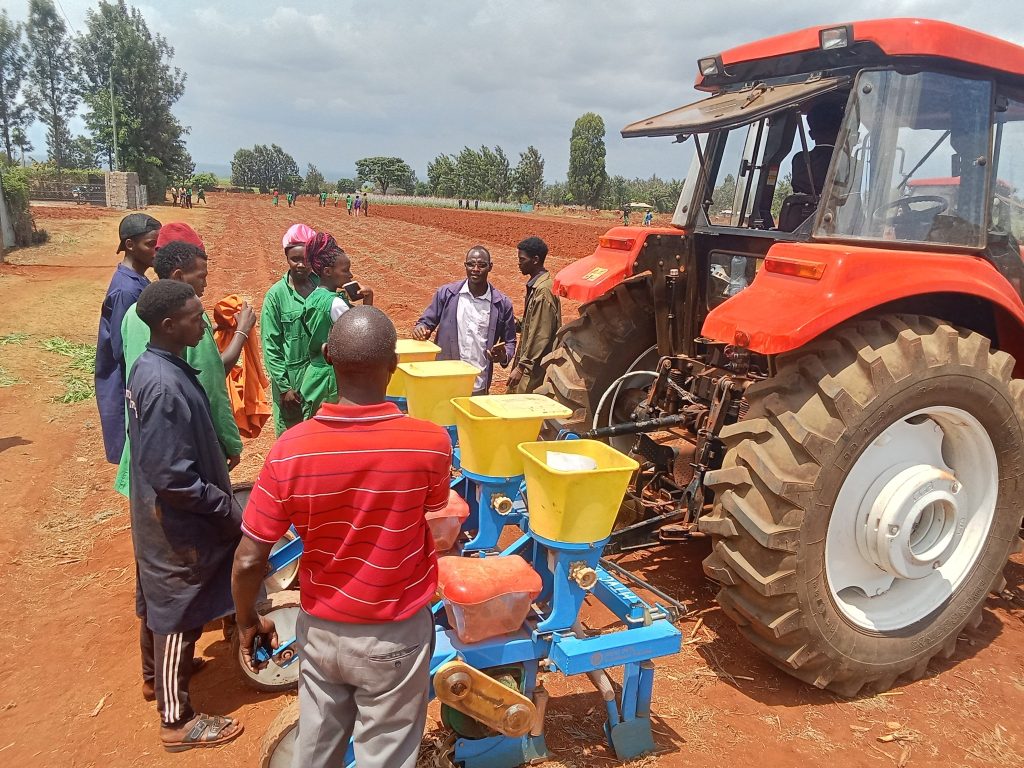
The Dual TVET model integrates 50 per cent classroom-based learning with 50 per cent structured workplace training, enabling trainees to gain hands-on experience within real production environments while still pursuing their academic programmes.
The session was facilitated by Dual TVET expert Duncan Ndung’u and private sector specialist Phillippa Mary, who emphasized the urgent need to bridge the long-standing gap between institutional training and workplace expectations.
According to the facilitators, the major challenge affecting many graduates is not the absence of job opportunities but the mismatch between the skills acquired in training institutions and those required by employers.
“Employers increasingly demand hands-on experience, technical precision, and workplace adaptability, qualities that cannot be fully developed through classroom instruction alone,” noted Ndung’u.
Leveraging Mwea’s Agricultural Ecosystem
Established in September 2019, the institution has grown steadily and now serves over 2,500 trainees in various technical programmes.
Its strategic location near the expansive Mwea Irrigation Scheme, managed by the National Irrigation Authority, provides a unique opportunity to implement the dual training model.
The scheme supports a vibrant agricultural value chain that includes:
- Mechanized farming
- Harvesting and post-harvest handling
- Rice milling and processing
- Packaging and distribution
This ecosystem offers practical training opportunities in:
- Agribusiness
- Mechanical technology
- Electrical installation
- Food processing
- Entrepreneurship
By formalizing partnerships within this value chain, the college aims to secure structured industrial attachment placements that directly reflect regional economic activities.
Strong Multi-Sector Partnerships
The forum brought together key stakeholders, including:
- Ministry of Education
- Mwea GK Prisons
- Mwea Rice Growers Multipurpose Co-operative Society
- Mwea Irrigation Agricultural Development Centre
- Agitech
- Agriprice
- Mazao na Afya
The partners are committed to collaborative training frameworks that will:
- Integrate trainees into real production systems
- Support curriculum development through industry feedback
- Enhance competency-based assessment
Faster, Cost-Effective Pathway to Employment
The Dual TVET model was also highlighted as a time-efficient and affordable certification pathway, typically taking between six and eighteen months depending on the programme.
This approach:
- Accelerates transition into the workforce
- Reduces training costs for learners
- Ensures graduates leave with verified, industry-relevant competencies
For VET stakeholders, the move by Mwea TVC signals a growing shift towards demand-driven training that positions TVET as a key driver of Kenya’s socio-economic transformation.