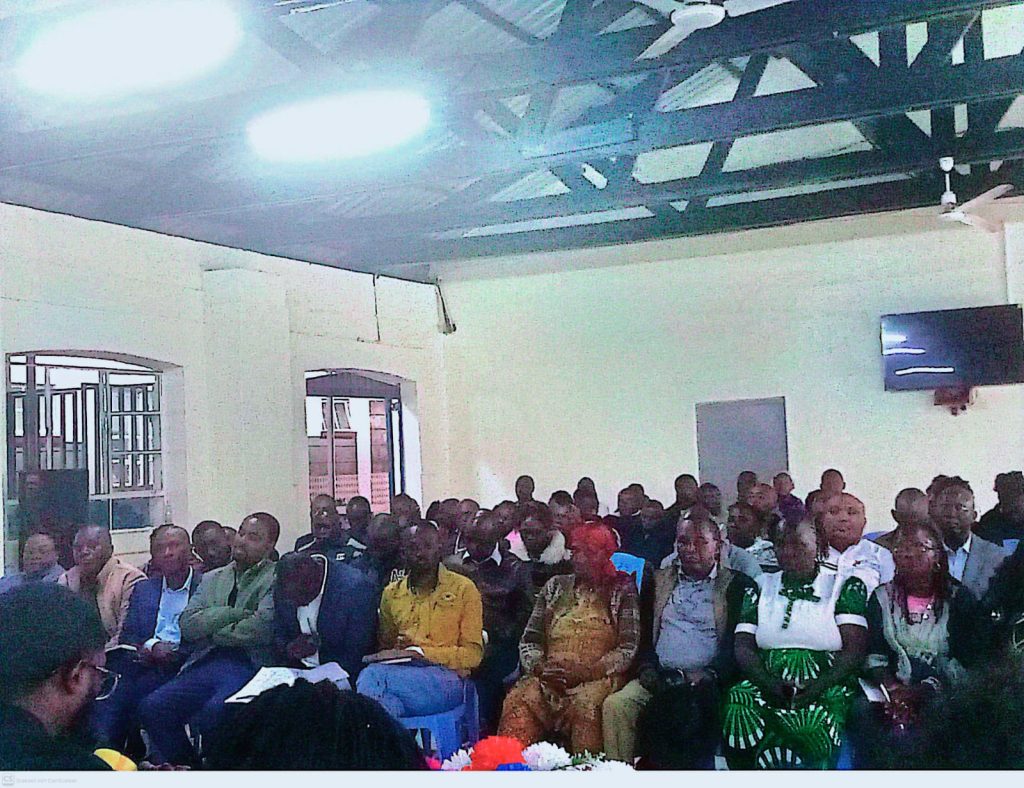
Stakeholders in Makueni County have called for reforms to Kenya’s education system, including stronger representation of Technical and Vocational Education and Training (TVET) institutions in student placement and higher education financing. The proposals were made during a public participation exercise conducted by the National Assembly Education Committee at Wote Technical Training Institute (WTTI) in Wote town, where stakeholders gave their views on six proposed Education Bills. The Bills are intended to introduce changes across basic education, tertiary education, teacher training, assessment, qualifications and curriculum development.
Six Education Bills Under Review
The six Bills are the Basic Education Bill, 2026; Tertiary Education, Placement and Funding Bill, 2026; and Kenya National Education Assessments Council Bill, 2026. Others are the Pre-service Education and In-Service Training Bill, 2026; Kenya National Qualifications Framework (Amendment) Bill, 2026; and Kenya Institute of Curriculum Development (Amendment) Bill, 2026. The public participation exercise was chaired by Kitutu Masaba MP Clive Ombane Gisairo and attended by Siaya County Woman Representative Christine Ombaka, Ministry of Education officials and representatives of various education stakeholders.
Stakeholders Seek Greater TVET Representation
On TVET, participants proposed that TVET institutions should have representation in the Kenya Universities and Colleges Central Placement Service (KUCCPS) and the Higher Education Loans Board (HELB). They argued that greater representation would help ensure that the interests and needs of technical and vocational institutions are considered in student placement and financing decisions.
Stakeholders also called for self-sponsored students to be included in the higher education funding model, potentially expanding access to financial support for learners pursuing tertiary education outside traditional government-sponsored pathways. The proposals come as TVET continues to play a growing role in providing practical and technical skills for employment and entrepreneurship.
Call to Extend HELB Repayment Period
Participants also proposed extending the HELB loan repayment period from one year to between two and three years. They argued that many graduates do not secure employment within a year of completing their studies, making it difficult for them to begin repaying their loans under the current arrangements. An extended repayment period, they said, would give graduates more time to transition into employment before taking on loan repayment obligations.
Schools Seek Timely Capitation
Education stakeholders also raised concerns over delays in the disbursement of capitation funds to schools. Kenya Secondary School Heads Association representative Salome Maundu urged the Ministry of Education and the National Treasury to coordinate the timely release of funds.
“The Ministry of Education, together with the Ministry of Finance, should liaise to ensure timely disbursement of school funds and prevent delays in funding, which will allow smooth running of schools,” Maundu said.
Stakeholders said delayed funding affects schools’ ability to settle debts, purchase learning materials and meet day-to-day operational requirements.
Divergent Views on Junior Secondary School
Participants also expressed different views on the proposed structure of Junior Secondary School (JSS). Some stakeholders proposed that JSS should operate as an autonomous level with its own structures, while others opposed the proposal and called for Junior Secondary and Senior Secondary to be merged. Other participants called for adequate infrastructure and learning facilities in schools, as well as the establishment of sub-county education boards anchored in law.
Teacher Training and Qualifications
Stakeholders proposed that the minimum qualification for primary school teachers seeking admission to teacher training colleges should remain a mean grade of C (plain) in KCSE. On teacher professional development, participants called for the Centre for Mathematics, Science and Technology Education in Africa (CEMASTEA) to be anchored in law as the national institution responsible for in-service teacher training. The proposals are intended to strengthen the legal and institutional framework governing teacher training and continuous professional development.
Public Participation to Inform Legislation
Representatives from KNUT, KUPPET, KESHA, KEPSHA, private schools and religious organisations participated in the exercise. Mwaani Girls High School Chief Principal Elizabeth Mutinda was also among those who presented views. Gisairo thanked members of the public, education professionals and organisations for participating in the process and providing input on the proposed legislation.
The views gathered from Makueni will form part of the public input considered by Parliament as it scrutinises the six Bills, with the proposed changes potentially affecting learners, teachers, training institutions and education financing across the country.